
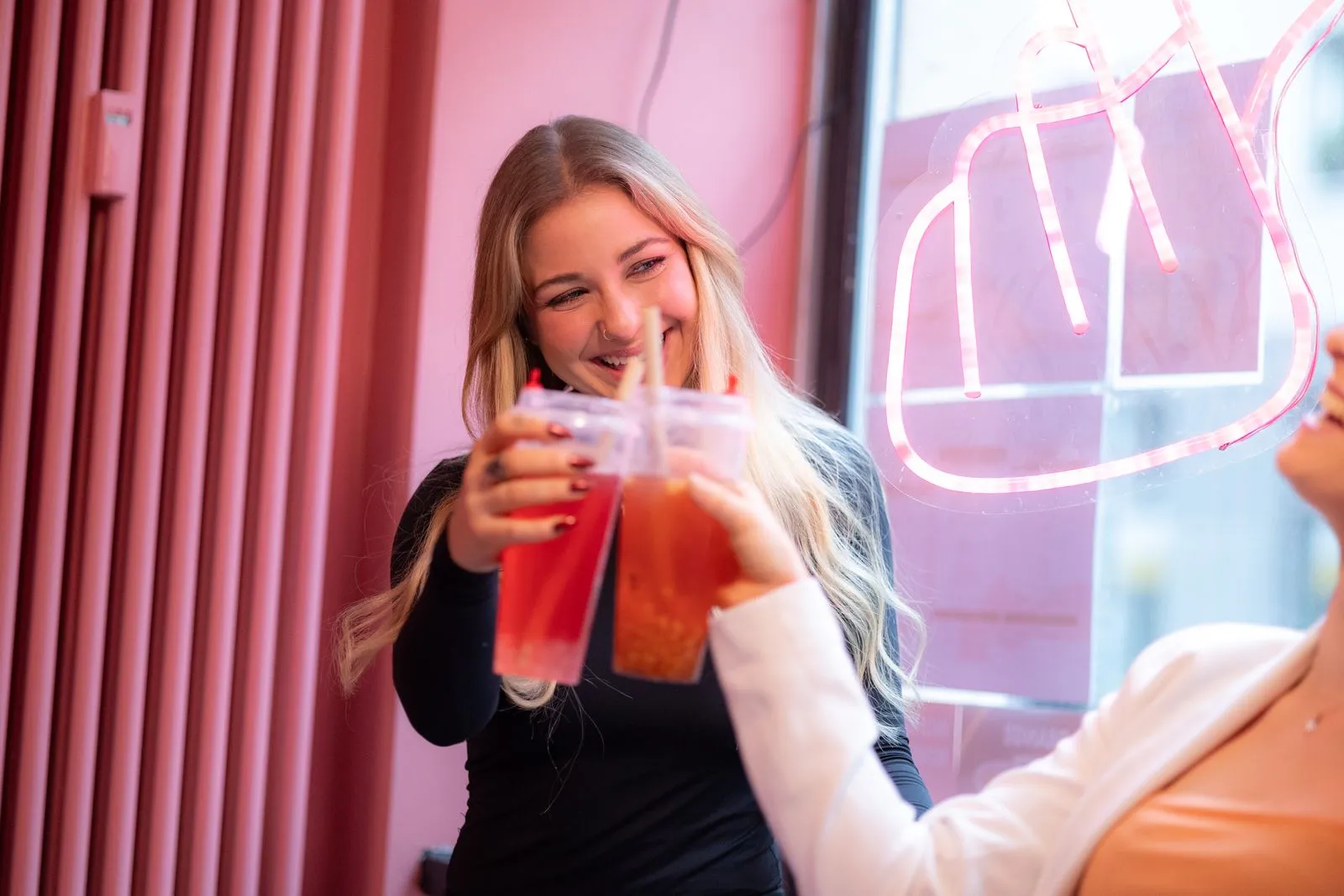
Bubble tea sweetness isn’t one-size-fits-all. A lower level can let the tea’s flavor come through, while a sweeter cup may better balance a bold tea or chewy toppings. Menus often use percentages or labels such as light, regular, and extra sweet, but those options can vary by shop. Knowing how to read them—and what else is in your drink—makes it easier to order a cup you’ll enjoy from the first sip to the last.
What Sweetness Levels Mean
Sweetness levels describe how much sweetener goes into the drink compared with the shop’s standard recipe. A menu might list options such as 0%, 25%, 50%, 75%, and 100%, or use terms like unsweetened, light, and regular. These labels are a guide, not a universal measurement, so the same percentage may taste different from one shop to another.
A 0% option usually means no added sweetener in the tea or milk base. It doesn’t necessarily mean the whole drink will taste sugar-free: toppings such as sweetened tapioca pearls, fruit syrups, or pudding can still add sweetness. Ask how the shop handles sweetened ingredients if you want to keep the full drink less sweet.
Match Sweetness to Your Base
Tea-forward drinks, such as brewed black, green, or oolong tea, can taste balanced at a lower sweetness level if you enjoy their natural flavor. Milk tea softens some of the tea’s bitterness, while still benefiting from a little sweetness for balance. If you’re trying a new base, regular sweetness can be a useful starting point before adjusting on your next order.
Fruit teas can vary widely. Tart fruits may taste brighter with some sweetener, while a naturally mellow or syrup-based fruit flavor may need less. For a drink with a strong tea base, try light or half sweetness first. For a creamy or tart drink, choose a level based on whether you want the tea, fruit, or milk to lead.
Factor In Toppings
Toppings change the sweetness of the overall drink, even when the base stays the same. Tapioca pearls are often cooked or stored with sweetener, and options like flavored jelly or pudding may add more. If you prefer a less-sweet drink, pair a lower base level with toppings that are less sweet—or ask which toppings are sweetened.
Texture also affects how a drink tastes. Chewy pearls deliver little bursts of sweetness, so a lightly sweetened base may feel more balanced than it would without toppings. When ordering a combination for the first time, keep one part familiar: choose a tea you know, then adjust either the sweetness or the toppings rather than changing everything at once.
Choose and Adjust With Confidence
If you’re unsure, start with a middle option, such as half sweetness, when the shop offers it. Choose less for a tea-forward drink or when you’re adding sweet toppings; choose more if you like dessert-like drinks or the base is especially tart. Tell the staff what you usually enjoy—such as “lightly sweet” or “I want the tea flavor to stand out”—and ask how that translates to their menu.
Taste your drink before deciding what to order next time. If it feels too sweet, reduce the level or swap a sweet topping. If it tastes too sharp or plain, move up one step or try a creamier base. Keep notes on your favorite combinations, including the tea, sweetness, and toppings, so you can repeat a good order or make a small, thoughtful adjustment.
The best bubble tea sweetness level depends on your tea base, toppings, and personal taste. Start with a middle or lighter option, then adjust one element at a time. For a custom drink in Colorado Springs, ask the team at Boba Sprout which sweetness level suits your chosen tea and toppings.